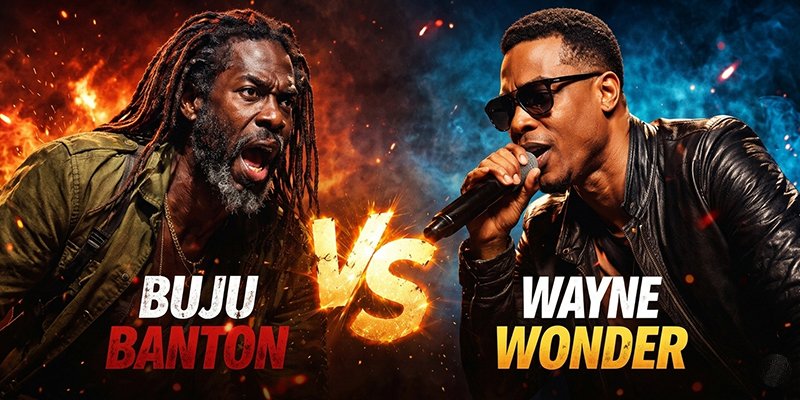
From Brotherhood to Breakdown: Inside the Fallout Between Wayne Wonder and Buju Banton
Written by adminVibe on March 24, 2026
(ReggaeVibeMedia.com) – What was once a respected friendship in reggae and dancehall has now turned into one of the culture’s most talked-about disputes. The relationship between Wayne Wonder and Buju Banton—built over decades of shared history, music, and mutual respect—is now under strain, following a series of public exchanges and resurfaced claims.
The tension reportedly intensified after comments made by Buju Banton during a recent interview, which did not sit well with Wayne Wonder’s camp. What followed was a swift and emotional response online, shifting what may have been a private disagreement into a very public situation.
At the center of the fallout are long-standing concerns surrounding songwriting credits, recognition, and loyalty. Wayne Wonder’s side is now speaking openly about issues they claim date back to the early 1990s—raising questions about how some of dancehall’s most iconic records were created and credited.
While Buju Banton has since acknowledged the situation publicly, the divide highlights deeper tensions not just between the two artists, but within the music industry itself—where collaboration and credit don’t always align.
🔑 Main Facts Behind the Fallout
- Interview Sparked the Rift
- Comments made by Buju Banton triggered a strong response from Wayne Wonder’s camp.
- Songwriting Credit Dispute
- Wayne Wonder’s side claims involvement in the creation of songs like “Murderer,” “Deportee,” and “Not an Easy Road.”
- Royalty Concerns
- The dispute includes claims that proper credit was not given, potentially affecting earnings over the years.
- Personal Loyalty Highlighted
- Wayne Wonder’s camp says he supported Buju during difficult times, including legal troubles and house arrest.
- Public Back-and-Forth
- Both sides have now addressed the situation publicly, turning a private issue into a wider industry conversation.
This situation has struck a chord across the reggae and dancehall community, not just because of the names involved, but because of what they represent. Wayne Wonder and Buju Banton are more than artists—they are pillars of the culture.
Whether this moment leads to clarity, reconciliation, or further division remains to be seen. But for now, fans are watching closely as history, legacy, and truth take center stage.