Sea Moss: What Science Actually Says About the Caribbean's Favorite Superfood
Sea moss has exploded from a Caribbean island staple to a global wellness trend, but the science behind the hype is mixed. Evidence reasonably supports modest benefits — gut-health support from its fiber, iodine for thyroid nutrition, and skin hydration — while the famous "92 minerals" claim and miracle-cure promises are unverified. Iodine content varies more than fifty-fold between brands, posing real thyroid risks, and poorly sourced products can carry heavy metals. The honest take: treat sea moss as a functional food, start slow, buy tested brands, and talk to a doctor if you have thyroid concerns.
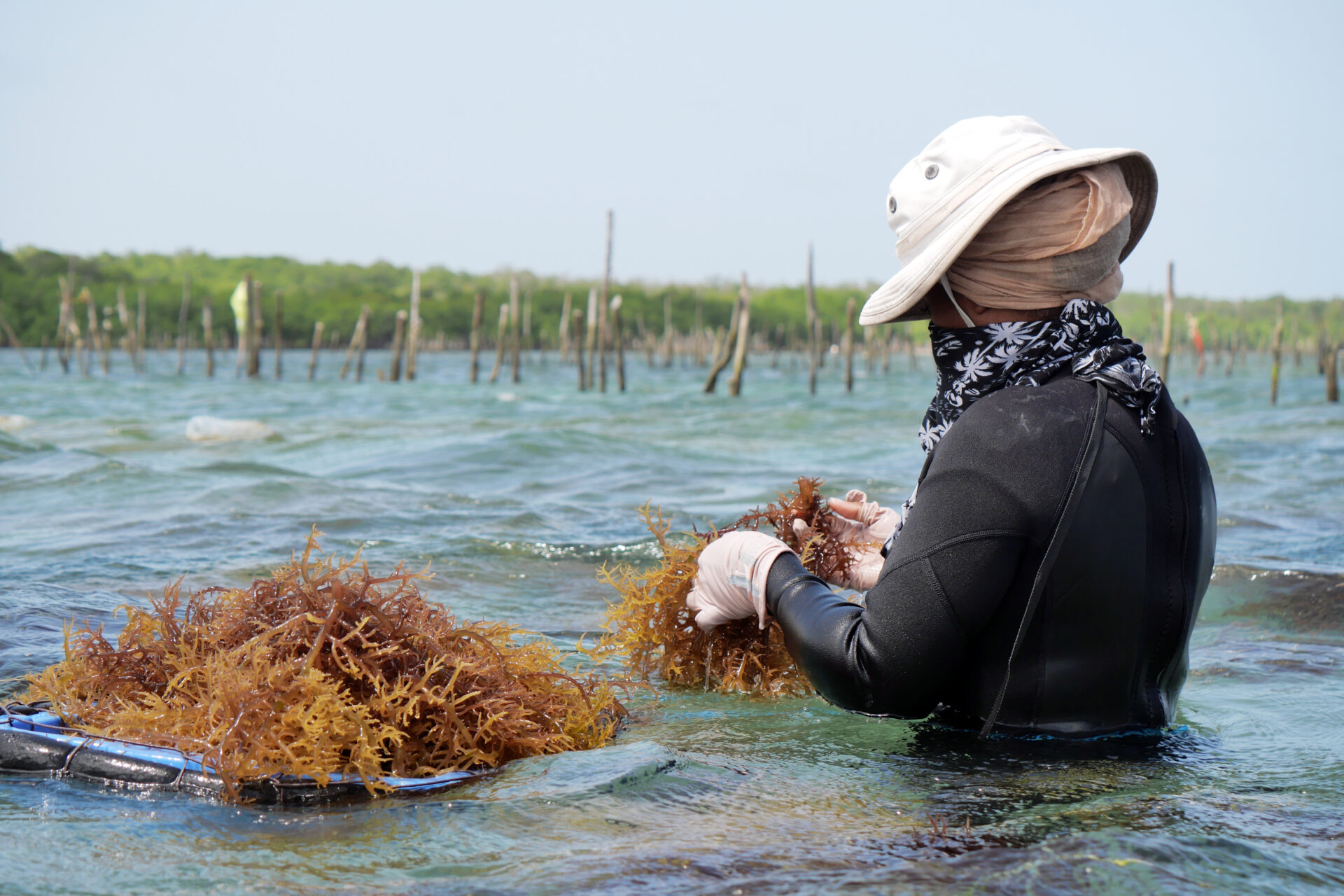
(ReggaeVibeMedia.com) From the shores of St. Lucia to smoothie bars in Brooklyn, sea moss has gone from humble island staple to global wellness phenomenon. Social media is full of big claims — 92 minerals, miracle cures, a fix for everything. So what does the science actually say? Less than the hype promises, but more than the skeptics admit.
Sea moss is a red seaweed — the Caribbean variety is mostly Eucheuma cottonii, while Irish moss is Chondrus crispus. It has been eaten in Caribbean and Irish coastal communities for generations, and the United Nations' food agency published a practical guide to its cultivation in the Caribbean in 2025. Nutritionally, it is a real food with a legitimate profile: iodine, certain B vitamins, soluble fiber, and smaller amounts of iron, magnesium, zinc, and vitamins A, C, E, and K.
Where the evidence is reasonably supportive, the list is modest but real. Laboratory research, including a 2025 study on red seaweeds, found that sea moss fiber can feed beneficial gut bacteria — an early finding from a gut model, not a human trial. Its iodine content can support thyroid function, and a 2026 study in the European Journal of Nutrition examined how habitual seaweed consumption affects iodine nutrition and thyroid function in people. Marine compounds in sea moss have also shown skin-hydration effects in dermatological research.
But the viral claims collapse under scrutiny. The National Institutes of Health's own database states flatly that no medicinal value of sea moss has been proven. The famous "92 minerals" figure is unverified at best and misleading at worst — no study supports it. No human study shows sea moss burns belly fat, and some weight-loss claims were quietly borrowed from research on an entirely different brown seaweed. Taking extra iodine on top of a healthy supply does not speed up a normal thyroid — it can disrupt one.
There are real risks worth knowing. A 2025 independent analysis of 30 commercial sea moss products found iodine content ranging from 45 to 2,340 micrograms per serving — a more than fifty-fold spread between brands. That is a thyroid risk hiding in a smoothie. Poorly sourced sea moss can also carry heavy metals from polluted waters. Anyone with a thyroid condition, or taking thyroid medication, should talk to a doctor before supplementing.
The science is still catching up. More than a dozen clinical trials involving sea moss or its compounds are active or recruiting, and Europe's top food safety authority has opened a formal review of functional-food claims for Irish moss, with findings expected late this year. The verdict will likely narrow the claim list rather than expand it — and that is a good thing.
The honest bottom line: treat sea moss as a functional food, not a miracle. Start with one to two teaspoons of gel a day, buy from brands that test for heavy metals and disclose iodine content, and keep the rest of your diet — fiber, whole foods, movement — doing the heavy lifting. The best wellness habits are the ones that survive scientific scrutiny, and sea moss is still earning that status.