Burkina Faso Suspends Beauty Pageants as Young Women Take the Stage in National Science Contest
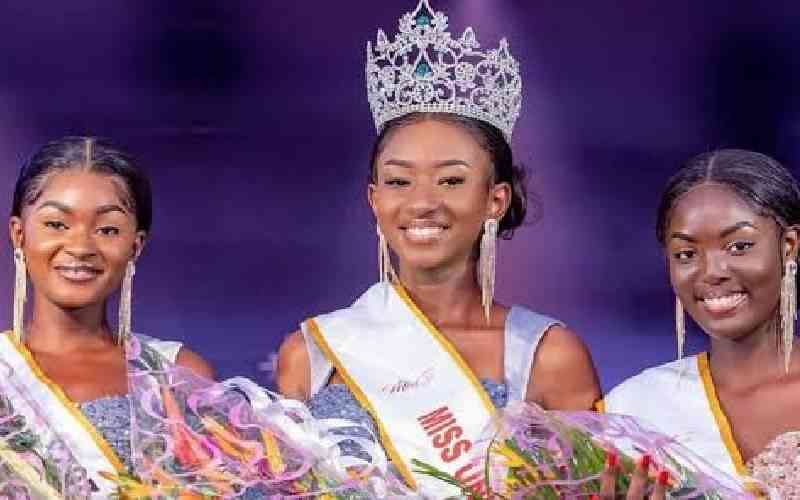
(ReggaeVibeMedia.com) — Burkina Faso has suspended beauty competitions across the country while new rules are prepared, and in their place, a national science contest has given 84 young women a new way to shine, through knowledge and innovation rather than appearance.
The Ministry of Communication, Culture, Arts and Tourism announced the suspension on June 8, saying no new permits would be issued for beauty contests until fresh regulations ensure the events reflect the country's cultural identity, social values and human dignity. Culture Minister Pingdwendé Gilbert Ouédraogo has stressed that the contests were reorganised, not abolished, and will return in a revised format celebrating traditional Faso Dan Fani and Koko Dunda fabrics, African braids and regional heritage.
Two months later, the presidency launched Hakili Mousso, whose name means "female intelligence" in Dioula, one of the country's most widely spoken languages. The contest brought together 84 young women from across Burkina Faso, all of them graduates of the 2026 science-track baccalaureate, for examinations in mathematics, physics and chemistry following a week of preparation in the capital, Ouagadougou.
At the awards ceremony on September 19, Inès Marie Fabiola Nikiéma topped chemistry with 18.73 out of 20, Aminata Traoré led physics with 15 out of 20, and Adjaratou Bama took first place in mathematics with 14.25 out of 20. The three first-place winners each received two million CFA francs, about $3,400, along with a laptop and a motorcycle, while other top performers earned cash prizes, computers and scholarships.
President Ibrahim Traoré received the finalists at Koulouba Palace on September 21 and urged them to believe in their abilities and pursue careers in science. Officials say the initiative is meant to challenge the belief that scientific careers are reserved for men. Government figures presented at the ceremony showed women made up 36.7 percent of enrolment in scientific courses in the 2025-2026 academic year, compared with 59.5 percent in non-scientific courses.
The shift has drawn both praise and criticism. Supporters say the contest gives young women recognition and educational support that pageants never offered, while critics argue women should be free to choose how they are celebrated. The government has not said science contests will permanently replace pageants, but for the 84 finalists of Hakili Mousso, the message was clear: in Burkina Faso, brains now have a national stage of their own.