Black Politics Powered the Blue Wave: Five Black Governors, a Record Senate, and a First Black Speaker in Reach
Democrats retook the House and the Senate in Tuesday's midterms, but the story of the night was Black political power: four Black Democrats won governorships, including Keisha Lance Bottoms as the first Black woman ever elected governor of any state, and five Black governors will serve at once for the first time in history. Hakeem Jeffries is positioned to become the first Black Speaker, the Senate will hold a record six Black members, and Texas flipped seats Democrats had long treated as lost causes. The blue wave broke because Black voters, organizers, and candidates pushed it.
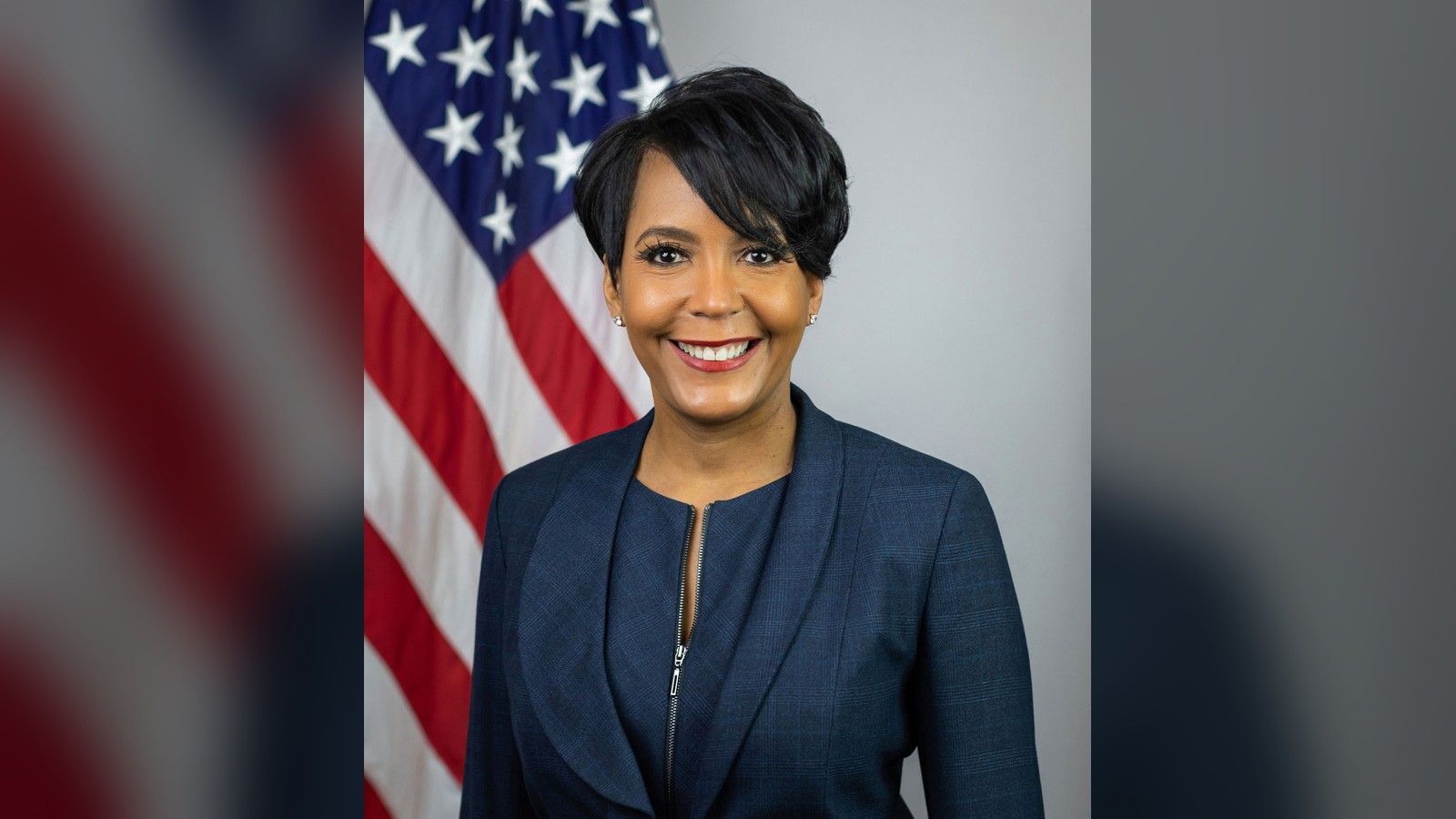
(ReggaeVibeMedia.com) - By Wednesday morning, the parties and the pundits had done their usual postelection routine, grading Tuesday's results and handing out credit, most of it to themselves. Democrats had retaken the House and the Senate. Voters had passed ballot measures protecting reproductive freedom and voting rights. Seats that Democrats had long written off as lost causes, in states like Texas, had turned blue. But any first draft of this history that leaves Black politics and Black people out of the center is incomplete, because Black voters, Black organizers, and Black candidates powered this wave.
Start with the governors' mansions. Georgia elected Keisha Lance Bottoms, the first Black woman ever elected governor of any state in American history, and the first woman and first Black governor of Georgia. Wisconsin elected David Crowley, its first Black governor. Nevada elected Aaron Ford, its first Black governor. Maryland re-elected Wes Moore. And in Florida, Byron Donalds became the state's first Black governor. Come January, five Black governors will serve at the same time, something that has never happened before. Before Tuesday, only three Black Americans had ever been elected governor, and no two had ever served together.
In the House, Hakeem Jeffries was re-elected and stands positioned to become the first Black Speaker in the chamber's history. In the Senate, Democrats flipped seven seats. Illinois elected Juliana Stratton, and the Senate will now hold a record six Black members, including, for the first time, three Black women serving at once, Stratton alongside Angela Alsobrooks of Maryland and Lisa Blunt Rochester of Delaware. Cory Booker was re-elected in New Jersey.
Texas told the same story in a different key. Gina Hinojosa defeated Governor Greg Abbott to become the state's first Latina governor and the first Democrat to hold the office since Ann Richards left in 1995. James Talarico beat Ken Paxton for the Senate. Seats Democrats had treated as lost causes turned blue.
The ballot measures mattered too. Voters approved protections for reproductive freedom, including in Virginia, and measures defending voting rights. Those wins did not happen by accident. They were carried by the same organizing muscle that turned out the vote in Black communities across the country.
This is the point the Wednesday-morning quarterbacking keeps missing. The credit does not belong to a party machine or a clever strategy memo. It belongs to the voters who stood in line, the organizers who knocked on doors, and the candidates who ran on the promise that Black political power is not a side story in American democracy. It is the story. The blue wave broke because Black America pushed it.