Beenie Man Apologises to Trinidad and Tobago, Admits He Got Carnival History Wrong
Beenie Man has apologised to Trinidad and Tobago in an Instagram post, admitting he "got the carnival history wrong" after mixing up Byron Lee's contribution to carnival in Jamaica with the wider history of the festival. He said Trinidad's carnival "has its own rich history, and I respect that," said he never intended to disrespect Trinidad's people or culture, thanked everyone who corrected him, and signed off "Still learning, always love. One Caribbean." Whether the apology fully settles the debate is still playing out across social media.
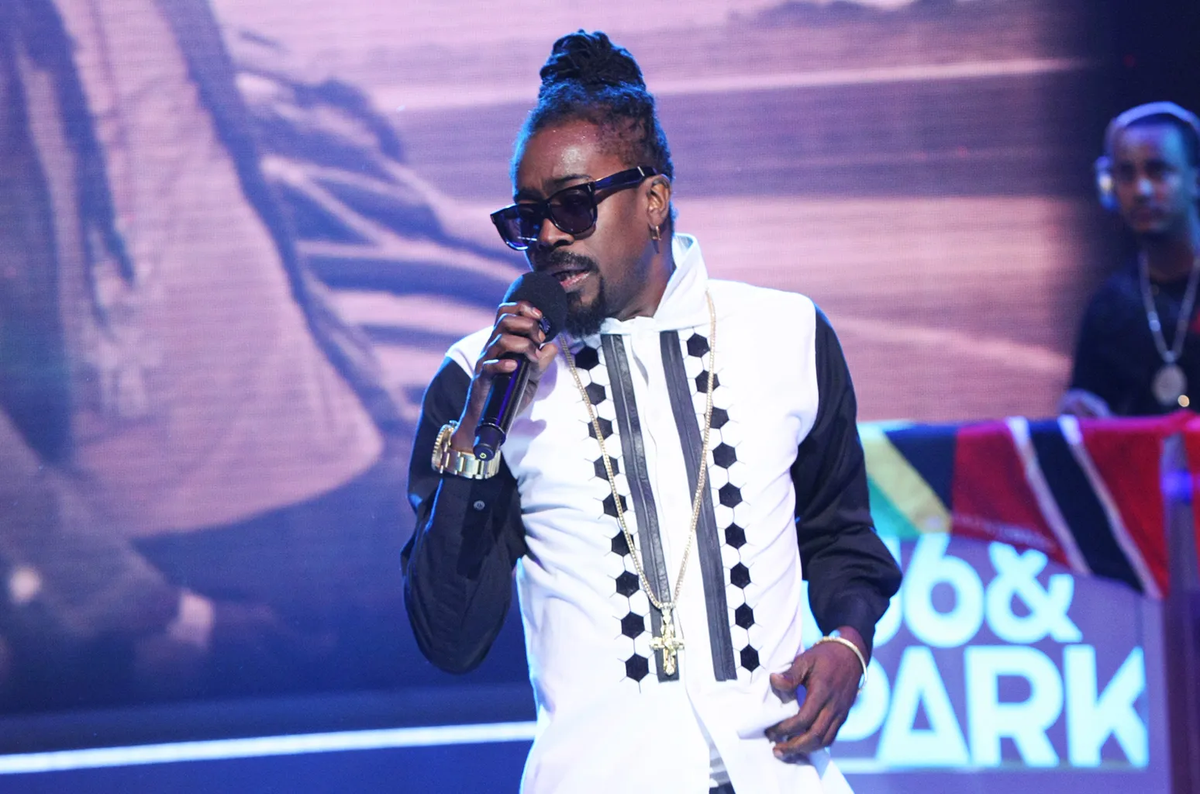
(ReggaeVibeMedia.com) - Beenie Man has put it plainly: he got the carnival history wrong, and he is sorry. In an Instagram post addressed directly to Trinidad and Tobago, the dancehall veteran owned the error at the centre of days of debate, opening with, "Trinidad and Tobago, let me clear this up with love."
There was no hedging in the post, and no "sorry if you were offended" detour. Beenie Man admitted he mixed up his memories of Byron Lee's contribution to carnival in Jamaica with the wider history of the festival itself, writing that Trinidad's carnival "has its own rich history, and I respect that."
He added that he "never intended to disrespect your people or culture," and said he understands "why my comments caused offence." He thanked "everyone who corrected me," and signed off with, "Still learning, always love. One Caribbean," alongside the Jamaican and Trinbagonian flags.
The apology follows backlash over earlier remarks crediting the late Jamaican bandleader Byron Lee, best known with Byron Lee and the Dragonaires, in a debate about which island's carnival came first. Lee spent years immersed in Trinidad's carnival and soca scene and is widely credited with helping to bring a Trinidad-style carnival to Jamaica — which is exactly why, for many Jamaicans of Beenie Man's generation, carnival and Byron Lee are tightly linked.
But that link is also where the sensitivity lives. To people in Trinidad and Tobago, carnival is not an export someone else delivered. It is a homegrown tradition with deep roots reaching back to the 18th century, carried through generations of African cultural expression into the festival the world knows today. Getting that history wrong was never going to pass quietly, and Beenie Man's post reads like a man who heard that message clearly.
The tone is what stands out here. This is not a star dismissing the backlash as an overreaction, and it is not a star hiding behind his team. It is a direct admission from one of dancehall's biggest names to an audience he has played for, and partied with, for decades. Trinidad is not a crowd Beenie Man can afford to brush aside — dancehall and soca artists regularly share stages, festival bills and fanbases across the region, and a Trinidad audience has been part of his story for years.
Whether the apology fully settles things is still playing out in the comments and across social media, as these moments usually do. For now, though, the position is on record: he got it wrong, he heard the corrections, and he is calling it one Caribbean. In a region where Jamaica and Trinidad so often move as one musical family, that is the right note to end on — still learning, always love.